Atlanta Commercial Office Remodeling: Navigating City Permits and Structural Costs for Adaptive Reuse
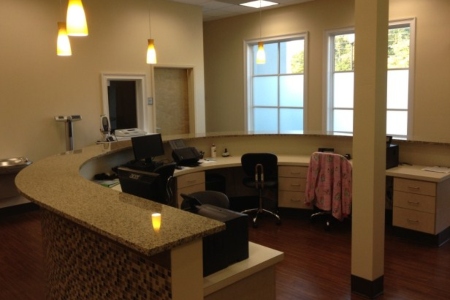
Turning a tight Buckhead or Downtown mid-rise into a light, collaborative workspace takes more than fresh paint. It takes a game plan that respects old concrete-and-steel bones, a patient permit path, and clean logistics in crowded streets. At Tailor Made Enterprises of Georgia LLC, we start by aligning design, structural engineering, and city review, then map construction around tenant schedules and limited loading zones. If you are planning an office renovation, this guide shows how to avoid the delays that often derail commercial upgrades in Atlanta.
Our approach blends adaptive reuse strategy, structural foresight, and jobsite choreography. The goal is simple: open layouts, modern HVAC, and high-performing interiors without triggering building-wide upgrades that your scope does not require. We coordinate early with your architect and engineer so permit submittals match what the field can actually build, and we phase noisy or high-vibration work to protect neighbors and active tenants.
What Adaptive Reuse Means For Older Mid-Rise Offices
Most mid-century cores were built heavy and efficient for their time. They resist change. Columns land where you want conference rooms. Slabs hide rebar or post-tension strands where you want to run cable trays or ductwork. Adaptive reuse in these structures means shaping your program around existing limits, not fighting them.
Typical Constraints We See
- Low floor-to-floor heights limit duct sizes and long runs.
- Closely spaced columns interrupt open seating and circulation.
- Unknown slab thickness, embedded steel, or tensioned cables affect coring and anchoring.
- Limited roof capacity challenges new mechanicals or screening walls.
These hurdles are normal. The key is to study the structure first, then choose systems that fit. That keeps design intent aligned with permits and reduces rework once demolition uncovers surprises.
Permitting In Atlanta: A Practical Playbook
Every building and project is unique, and permit requirements can vary by scope and reviewer. The most reliable path is clear drawings, a focused narrative of changes, and early coordination with the design team. We maintain a single source of truth for drawings, addenda, and reviewer comments so field crews never work from outdated information. When scope includes notable structural changes, we plan for engineering responses and special inspections as needed to keep momentum.
Pre-Submittal Steps That Save Weeks
- Document existing conditions with targeted probes and GPR slab scanning before finalizing layouts.
- Write a concise scope narrative that distinguishes interior finish upgrades from structural or life-safety changes.
- Bundle coordinated mechanical, electrical, plumbing, fire protection, and low-voltage drawings to reduce back-and-forth.
- Define inspection milestones early so trades can sequence work without idle time.
Tip: Keep the scope tightly defined. Broad wording can lead to broader review paths and extra questions that slow approval.
Design Moves That Avoid Costly Structural Triggers
The smartest remodels respect the frame. We guide teams to solutions that create openness without overloading slabs or punching too many cores. Here are field-proven tactics that work in Buckhead towers and Downtown mid-rises.
Open-Plan Layouts Without Heavy Structural Work
Instead of removing large sections of structure, cluster collaboration zones where spans are most forgiving and use glass fronts to carry daylight deeper into the floor. Consolidate hard-wall rooms around columns and shear walls so you are building with the grid, not against it. Where privacy matters, select glazing and seals that improve acoustics without adding thick, heavy partitions.
Routing HVAC In Tight Floor Heights
Choose low-profile ductwork and use perimeter soffit “raceways” to move air along the facade, then cross over short distances into open areas. Support short duct bridges with light steel angles and engineered anchors located outside high-risk zones. Keep large trunks near the core or above corridors, not over the densest desk clusters. Rooftop equipment should be evaluated for weight, vibration, and wind exposure by the engineer before placement.
Warning: Never core or anchor into a slab before scanning and an engineer review. Hitting a tendon or major bar causes costly repairs and schedule delays.
Coordinating Structure, MEP, And Interiors
Great office remodeling is a puzzle. Structure, HVAC, lighting, sprinklers, and IT must share the same tight ceiling. We use clash detection and shop drawing workshops so trades agree on elevations and routes before materials are on site. That keeps ceilings as high as possible and limits last-minute soffits that break the clean look.
A Field-Tested Sequence
Start with a selective demo and verification survey. Confirm slab thickness, beam locations, and any interstitial obstructions. Next, install hangers and main routes for mechanicals along corridors and cores. Pull branch lines after lighting and ceiling grids are laid out. Finish with glass fronts and millwork to protect edges from heavy trade traffic.
Pro Move: Prefabricate repetitive assemblies offsite, such as corridor sprinkler drops or ceiling cloud frames. This reduces noise, dust, and time in busy buildings.
Logistics For Tight Downtown And Buckhead Sites
Urban jobs live or die on logistics. With limited docks and narrow alleys, we schedule deliveries in short, reliable windows. Material is kitted by phase and by zone, so nothing sits in walkways. When needed, we plan off-hours moves for large items to avoid lobby traffic and street congestion.
Staging And Neighbor Coordination
We work with property management to reserve service elevators, protect lobbies, and coordinate trash pulls. If exterior work or crane picks are anticipated, we plan for the proper permissions and barricades and publish a simple notice for neighbors. This keeps the building team confident and tenants informed.
- Reserve the service elevator and a dedicated floor landing by phase.
- Use rolling carts and kitted pallets sized to corridors and doorways.
- Plan noisy work in compressed windows to respect adjacent suites.
- Maintain negative air containment and filtration to manage dust and pollen.
Atlanta weather brings summer heat and storms that can delay exterior handling and rooftop work. We build weather days into the schedule and protect openings before afternoon showers roll through.
Local insight: In Atlanta’s storm season, schedule rooftop deliveries early morning and secure tie-downs before midday winds. A short, well-timed pick avoids lost days and protects public areas below.
Avoiding Common Structural Delays
Most delays stem from late discoveries. Old drawings might not show infill beams, risers, or patch panels. We assume they exist until we verify. Early probes, careful demo, and immediate updates to the model keep everyone aligned.
Core Drilling And Anchoring
We mark proposed cores, scan, and adjust routes to miss rebar and tendons. When in doubt, we use smaller grouped penetrations instead of a single large opening. Anchors are selected with the engineer for the substrate you actually have, not the one you hope for. That means test holes in non-critical zones and pull tests when required.
Ceiling Heights And Clean Lines
Ceiling clouds can hide crossings and keep the main field high. Lights, sprinklers, and diffusers are coordinated within the same module so rows stay straight. This looks modern and helps maintenance later because devices are not fighting each other for space.
Keeping Your Permit Scope Tight
The safest way to control the timeline is to define changes clearly and avoid blurring into building-wide upgrades. We align the design narrative, drawings, and spec sheets so reviewers see a consistent story. When questions arise, we respond quickly with clarifications that reinforce the limited scope and the protective measures in place.
During construction, we hold short quality checkpoints at framing, above-ceiling, and pre-punch. Each checkpoint confirms that approved details are followed. This prevents surprises at final inspection and shortens the closeout path.
Historic And Character Buildings: Respect First, Then Refresh
Many Midtown and Downtown addresses have character worth keeping. Brick, terrazzo, and original steel windows add warmth to otherwise modern offices. We protect those features during demo and weave them into the new plan. Where glass walls meet old masonry, we use trims and sealants that handle movement and temperature swings, especially across seasons.
Mechanical noise control matters in older frames. We isolate rooftop equipment and add liners to key ducts near conference rooms. Simple steps like these keep the open plan quiet and focused.
Your Team, Your Reviewers, One Clear Path
Tailor Made Enterprises of Georgia LLC manages the moving parts so owners and architects can focus on design and business needs. We coordinate submittals, inspections, and trade schedules, and we keep plans updated as field conditions evolve. Our field leaders set daily goals that match permit milestones, so progress is visible and measurable.
Explore how we approach office remodeling in live buildings, from phasing to finish, and see how our crews protect tenants and keep schedules intact.
When To Start And Who To Call
If your lease is flipping or your floor is half-empty, now is the best time to plan. A quick feasibility review can tell you how open your layout can be without heavy structure moves. For a broader view of capabilities, browse our commercial construction services and see a sampling of recent construction projects across metro Atlanta.
For owners researching partners, our home base is a good place to start. Learn more about Tailor Made Enterprises of Georgia LLC and our approach to Atlanta commercial remodeling. When you are ready to move, call us at 770-634-1003, and we will outline the next steps, timelines, and coordination needs for your building.