Navigating Tenant Improvement Permits for Historic Building Conversions in Downtown Atlanta
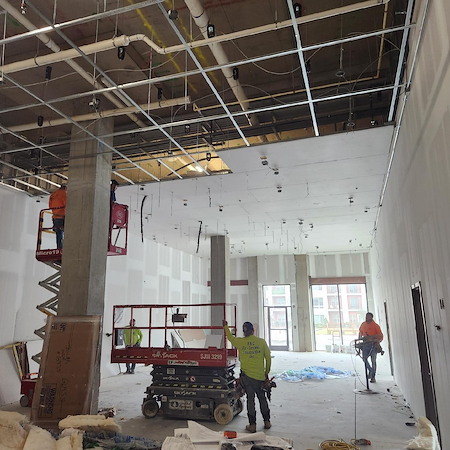
Planning a historic building conversion and need help with tenant improvement permits in Downtown Atlanta? You are not alone. Older towers in Fairlie-Poplar, storefronts in South Downtown, and loft-style spaces in Castleberry Hill often need careful code upgrades before a new tenant can move in. As a commercial contractor, Tailor Made Enterprises of Georgia LLC helps owners and tenants align scope, drawings, and reviews so your commercial build-out work in Atlanta moves from demo to final inspection without surprises.
If you want a quick primer while you explore your options, our overview of tenant improvement permits in Downtown Atlanta shows how coordinated teams keep momentum from day one.
What Tenant Improvement Permits in Downtown Atlanta Cover
Tenant improvement permits authorize interior work needed to convert a space to your new use. In historic conversions, the permit usually touches architectural layout, mechanical, electrical, and plumbing changes, fire and life safety upgrades, and sometimes structural reinforcement where loads or openings change. Because these buildings tell Atlanta’s story, reviewers also look for respectful treatment of original materials while ensuring today’s safety.
Why Permits Matter In Historic Conversions
Permits protect people and the building itself. A change from warehouse to office or retail can shift occupancy type, egress needs, and fire protection. Historic floor systems might carry different loads than modern plans expect. Getting the right permit, drawings, and inspections up front helps you avoid rework, delays, and schedule hits once walls are open. Skipping permits can lead to stop-work orders and delayed openings, which can cost far more time than proper planning.
The Permit Path In Downtown Atlanta
Every project is unique, but most successful conversions follow a clear track. Use this as a planning map, not a promise of exact timelines:
- Assess existing conditions and gather records. Look for prior certificates of occupancy, as-built drawings, sprinkler and alarm documentation, and known hazards like aging wiring or abandoned shafts.
- Confirm zoning and allowed use. Many downtown blocks allow a mix of uses, but overlays, landmark status, or special street fronts can shape what’s feasible.
- Set the scope with your design and build team. For tight schedules, an integrated approach like design-build delivery can compress handoffs and streamline submittals.
- Prepare sealed drawings. Include demo plans, life-safety plans, egress and accessibility details, MEP sheets, and any structural notes for openings, equipment, or new stair connections.
- Submit the permit package. Expect separate trade reviews. Keep your response team ready for plan check comments.
- Coordinate inspections. Schedule rough-in, above-ceiling, and final inspections in the right order so finishes aren’t torn back later.
- Close out and obtain your certificate of occupancy. Collect test reports, equipment start-up logs, and as-builts for turnover.
Pro tip: Line up landlord house rules early. Downtown towers often require specific hours for noisy work, elevator reservations, and after-hours deliveries that affect inspection timing.
Key Reviews That Often Affect Historic Properties
Change of Use and Occupancy
Converting storage or light industrial floors to Class A office or street retail can change occupant load and exit capacity. Plan for corridor width checks, door swing and hardware updates, stair pressurization where required, and restroom counts aligned with the new use.
Life Safety and Fire Protection
Older buildings may lack full sprinkler coverage, modern alarms, or proper smoke compartmentation. Your engineer will outline where new devices, heads, valves, or fire-rated assemblies are needed to meet current life-safety standards. In multitenant buildings, tie-ins to base systems require close coordination with building management.
Structural and Seismic Reinforcement
Even in Atlanta’s moderate seismic region, historic structures may need localized reinforcement for new stair openings, rooftop equipment, or higher live loads. Expect selective shoring during demo and careful sequencing for any slab cuts or beam work so the building stays stable while you build.
Accessibility Upgrades
Path of travel, restrooms, service counters, and door hardware are reviewed for accessibility. Plan these early so you do not discover width or reach conflicts after partitions are framed.
Documents And Team You Will Need
- Sealed architectural, structural, mechanical, electrical, and plumbing drawings
- Code summary with occupancy, egress, fire-resistance ratings, and accessibility notes
- Demolition and phasing plans, with protection of historic features noted
- Sprinkler and fire alarm shop drawings or performance criteria, as required
- Product data and cut sheets for rated assemblies, doors, hardware, and glazing
- Hazardous materials or environmental reports if required by authorities
Bring in a design professional and a licensed general contractor who understand downtown logistics, delivery windows, and the realities of working in occupied buildings. A team used to urban interiors will plan around elevator access, loading docks, and neighboring tenants so your schedule holds.
Timeline Realities In Downtown Atlanta
Permit review and inspections vary by scope, season, and workload. Wet summer weather can push façade and rooftop work, while winter holidays may compress inspection calendars. Big events downtown can also affect lane closures and deliveries. A contractor who prechecks details, batches inspections, and sequences trades to minimize return trips will save you time.
If you are comparing delivery methods, read our plain-language take on speed-to-market in design-build vs. traditional bid. And if you want category-level details on what we self-perform and manage, browse our commercial construction services to see how preconstruction links to permitting and fieldwork.
Common Pitfalls And How To Avoid Them
Here are issues that frequently derail historic conversions and how a seasoned team prevents them:
- Hidden conditions. Assume surprises behind plaster and paneling. Plan for investigative openings during design so steel, utilities, and shafts are mapped before pricing.
- Missing life-safety records. If sprinkler and alarm as-builts are incomplete, have your trade partners verify coverage and device counts early.
- Egress conflicts. Door swings, hardware, and corridor pinch points are common in older cores. Mock up key door sets and measure after demo.
- Base-building coordination. Align tenant gear with available power, chilled water, and structural capacity. Confirm roof loading and screen heights before ordering equipment.
- Historic finishes. Protect original masonry, terrazzo, and casework during demo and material moves. Restoration can run longer than new work if damaged.
One simple rule: fix life-safety and infrastructure first, then chase finishes. That order keeps inspections moving and avoids tearing out completed work.
How Tailor Made Enterprises of Georgia LLC Keeps Your Permit And Build Moving
Our Atlanta interiors team is built for adaptive reuse. We start with a code-focused review, map out phased demo and rough-in, and keep inspectors looped in while we close ceilings and walls. We also align our subs with your landlord’s rules, so night work, deliveries, and noise windows are planned instead of guessed. If you want to see our approach in action, browse our recent commercial build out projects to understand how we stage work in tight downtown buildings.
For owners balancing schedule and coordination, we detail choices in our article on design-build delivery for Atlanta projects. If your scope is still forming, that path can help you submit a cleaner package and answer plan reviewers faster.
Ready To Begin Your Historic Conversion?
Whether you are converting a brick warehouse near the Gulch into creative offices or refreshing an early-century tower floor into modern suites, Tailor Made Enterprises of Georgia LLC can help you plan the permit path, sequence inspections, and deliver a clean turnover. Start a conversation about your commercial build out, or call us at 770-634-1003 to map next steps in a quick, no-pressure call.