Office Renovation Ideas That Make Your Atlanta Space More Productive
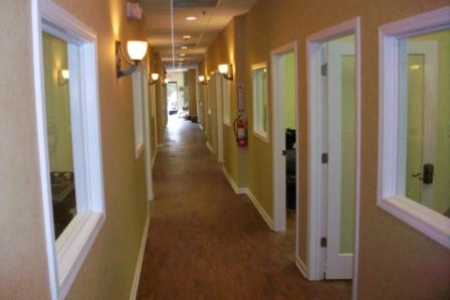
Looking for office renovation Atlanta strategies that actually move the needle on focus and morale? In and around Midtown, Buckhead, and Downtown, companies are rethinking how every square foot works. The goal is simple: create a space that helps people do their best work. If you are planning an upgrade, start with a clear plan, then partner with a local team that knows how to align design with day-to-day operations. You can explore office renovation services with Tailor Made Enterprises of Georgia LLC to map the right steps from concept to completion.
Start With Clarity: What Productivity Means For Your Team
Productivity looks different for a law firm in Buckhead than it does for a tech startup in West Midtown. Before you sketch a layout, define how your people actually work. Do they need heads-down quiet, quick huddles, or both? Which meetings must be private, and which can live in open zones? Answering these basics keeps the project focused and avoids shiny objects that do not help your team.
Set clear goals before design begins. List the top three outcomes you want, such as fewer noise complaints, faster project handoffs, or better client impressions at reception. Your design and construction choices should ladder up to those goals.
Create Work Zones That Match Real Work
Balanced office renovation in Atlanta blends quiet, collaboration, and transition spaces. A simple zone plan keeps the floorplate intuitive and cuts down on distractions.
- Focus: small libraries, phone rooms, and enclosed offices away from heavy traffic
- Collaboration: open tables, project rooms, and flexible conference spaces near teams that meet often
- Support: copy/print, storage, mother’s room, wellness room, and IT close to the users who need them
Place noisy zones like breakrooms and team hubs closer to circulation. Keep heads‑down spaces buffered by storage walls or glazing with acoustic interlayers. If your lease includes rights to build a stair between levels, a central stair can reduce elevator waits and increase chance encounters that spark ideas.
Light It Right: Daylight, Layers, And Control
Lighting is one of the fastest ways to lift energy and reduce eye strain. Aim to pull daylight deep into the plan with glass fronts on private offices and low partitions on collaboration areas. Add layered LED lighting so teams can tune brightness for tasks. Occupancy sensors help save energy, and simple dimming keeps video calls from looking washed out.
Glare is a real issue on east- and west-facing glass in Atlanta. Use solar shades that maintain views while softening afternoon sun. In conference rooms, try warmer color temperatures and perimeter cove lighting so faces look natural on camera.
Control Noise With Acoustics That Actually Work
Open plans do not have to be loud. Combine the ABCs of acoustics: Absorb, Block, and Cover. Acoustic baffles and wall panels absorb. Full-height walls with insulated cavities and solid-core doors block. Sound masking adds a neutral background that makes speech less intelligible at a distance.
- Use acoustic seals on focus rooms and standardize on door hardware that fully latches
- Place printers and dishwashers away from quiet zones
- Test sound masking with a pilot before rolling it out building-wide
For more ideas on balancing quiet and collaboration, skim these office space productivity tips that show how layout and finishes work together.
Test acoustics before you buy. A quick mockup with portable panels and a sound masking demo can prevent costly rework later.
Design For Hybrid: Flexibility Without Chaos
Hybrid work changed how Atlanta offices operate. The best spaces flex by the day without feeling temporary. Provide touchdown counters for in‑office days, small two‑person rooms for video calls, and project tables that convert from planning to training. Choose movable walls or furniture systems that can shift with growth or department moves.
Charging everywhere is non‑negotiable. Floor boxes, plug strips in table troughs, and powered lounge furniture keep people mobile. In Midtown towers, where slab cores can be complex, plan early for power and data to avoid last‑minute routing surprises.
Upgrade Reception And Client Paths
Your entry sequence sets the tone. A welcoming reception with clear wayfinding, a coffee touchpoint, and one memorable design element makes a strong impression. Keep client paths tidy by separating them from internal service routes. In busy centers like the Perimeter, this also helps with deliveries and event flow.
Boost Wellness With Biophilic Touches And Ergonomics
Plants, natural textures, and daylight reduce stress and help teams recharge. Use easy‑care greenery and durable materials that hold up to traffic. Choose adjustable chairs, sit‑stand desks, and monitor arms so employees can fine‑tune posture through the day.
Better air and thermal comfort matter, too. Coordinate with building management on ventilation and filtration options, and test typical conference rooms for CO₂ buildup. Small HVAC tweaks can make meetings feel less draining.
Right-Size The Breakroom And Support Spaces
A great breakroom pays back in morale and retention. Give it natural light, durable countertops, dishwashers that can keep up, and seating choices for quick bites or longer breaks. Add quiet wellness rooms and a mother’s room with a sink, fridge, and secure access. These thoughtful spaces show care for people and reduce turnover.
Storage is often forgotten. Plan for mail, IT spares, marketing collateral, and event gear. A tidy back‑of‑house keeps the front‑of‑house calm.
Plan The Build: Minimize Downtime And Surprises
Construction inside an active office takes coordination. Phase work so teams can stay productive while areas flip. Weekend or evening shifts can help during disruptive tasks like loud demolition or core drilling. If your landlord allows after‑hours work windows, use them for the noisiest scopes.
Protect productivity during construction. Provide temporary focus rooms, set quiet hours, and communicate the weekly plan so staff knows what to expect.
Tenant build-outs in Atlanta often benefit from a clean, base‑condition start. If your space is a raw shell, talk with your contractor about white box commercial construction to establish essentials like lighting, basic power, and finished walls before the final interior fit.
For existing suites, improvements that move fast and keep you operating can be handled through thoughtful tenant improvements. This can include reworking partitions, upgrading finishes, and adding phone rooms without changing the entire floorplan.
Plan for Atlanta traffic and deliveries. Coordinate loading dock times early, especially in Midtown and Downtown towers where elevator access is limited during rush hours.
Choose Finishes That Work Hard
Durable, easy‑to‑clean materials save time and money over the life of the space. Look for commercial‑grade fabrics, performance flooring in high‑traffic areas, and wipeable wall surfaces around cafe zones. In conference rooms, select tables and credenzas that hide cables and keep devices charged without clutter.
Brand with intention. A few focal walls, a refined reception desk, and thoughtful signage often speak louder than a hundred logos.
Safety, Access, And Comfort Without The Jargon
Comfort and safe navigation are non‑negotiable. Keep corridors clear, provide sensible routes to exits, and make hardware easy to use. If your building has unique rules or requirements, your contractor will coordinate the right drawings and reviews with the property team. Good preconstruction avoids guesswork later.
Sequence Technology Early
Nothing kills momentum like a new office that is beautiful but not connected. Pull IT, AV, and security choices forward so power, data, and mounting are ready before walls close. Standardize on two or three room types and document what goes in each. That way, maintenance is simple and adds are easy.
Local Priorities Across Atlanta Neighborhoods
Each submarket has quirks. Midtown often means tight staging and more elevator coordination. Buckhead clients want polished reception and executive areas. West Midtown favors creative touches and adaptable meeting zones. Along the Perimeter, many teams value parking access and fast, tech‑ready conference rooms. Tailor finishes and amenities to your neighborhood and industry, not a one‑size checklist.
Make The Numbers Work Harder
Set priorities and protect them. If noise is your top complaint, put budget into acoustics and phone rooms first. If recruiting is key, invest in reception and client‑facing conference spaces. You can refresh other areas later with paint, new carpet tile, and lighting swaps. Phased upgrades let you improve now without a full reset.
How To Kick Off Your Project The Smart Way
Start with a short discovery: interview teams, audit space use over a week, and capture pain points. Follow with a quick concept plan and a renovate your office roadmap that sequences work around busy seasons. When you need a broad partner who understands design, schedule, and field logistics, lean on local expertise in Atlanta commercial construction to keep decisions fast and coordinated.
Ready To Renovate Your Atlanta Office?
When it is time to turn ideas into a plan, Tailor Made Enterprises of Georgia LLC can help you shape a layout, choose finishes, and build with minimal disruption. Talk with our team at 770-634-1003 to schedule a walkthrough and align on goals that matter to your business. If you want a space that boosts focus, collaboration, and client confidence, explore what is possible on our office renovation in Atlanta page and let’s get your team working better, sooner.